
Professional Office Cleaning in Australia: What to Expect
The average office desk harbors 400 times more bacteria than a toilet seat. While your workspace might appear organized, this “invisible reality” suggests that visual tidiness often masks biological hazards lurking on high-touch surfaces like keyboards and breakroom handles. Even with routine office cleaning services, targeted sanitation is what actually disrupts transmission.
Effective professional office cleaning in Australia must distinguish between simple aesthetic appeal and genuine biological sanitation. Research consistently shows that neglecting this difference significantly hurts the impact of workspace cleanliness on employee productivity and staff wellness. Effective management moves beyond basic dusting to evaluate environments using a health-focused workplace sanitation checklist, ensuring your office is truly safe rather than just neat. Leading corporate cleaning services emphasize this health-first approach without sacrificing presentation.
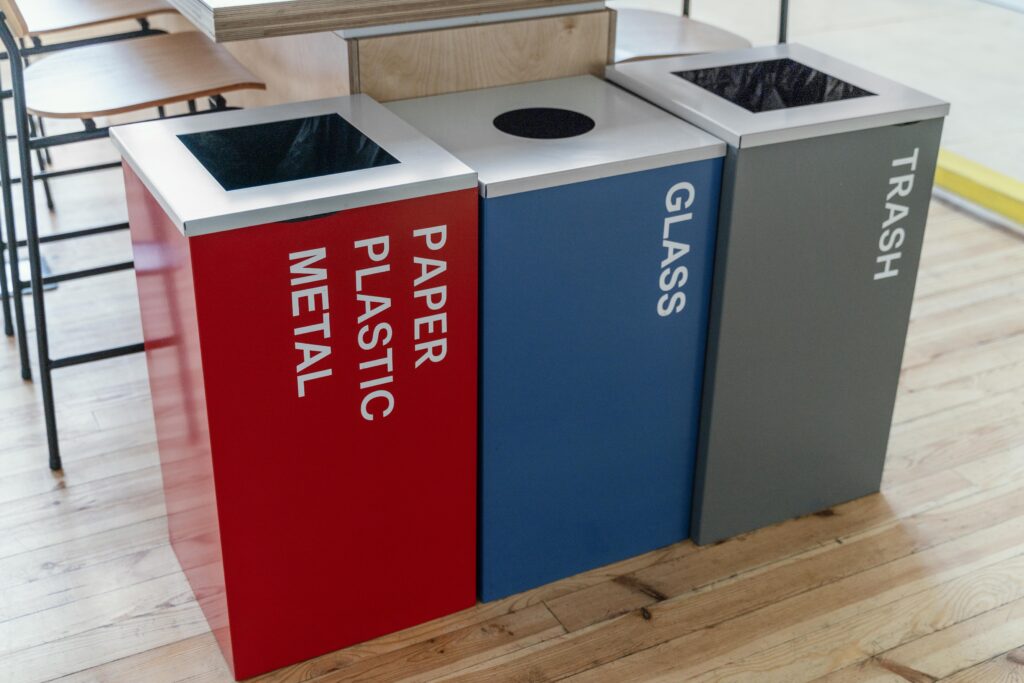
Beyond the Bin: Why Professional Workplace Sanitation Trumps “Tidying”
Most businesses treat cleaning as a cosmetic expense, yet it remains a critical strategy for asset protection. Consider the carpet under your desk or the upholstery in the waiting area. When dust and grit settle deep into these fibers, foot traffic grinds them against the material like sandpaper, rapidly shredding the fabric from the inside out. Regular maintenance with commercial-grade equipment, often delivered by experienced office cleaning services, removes these abrasive particles before they cause permanent damage, often adding five or more years to the lifespan of expensive flooring and furniture.
Beyond physical assets, the condition of your workspace directly influences your team’s output and health. A professional approach shifts the focus from simply looking tidy to creating a high-performance environment. By implementing a consistent sanitation strategy, you unlock tangible returns:
- Reduced Sick Leave: Proper disinfection breaks the chain of cold and flu transmission.
- Extended Asset Life: Routine maintenance delays costly replacements for flooring and HVAC systems.
- Improved Morale: A pristine environment signals that management values employee well-being.
To achieve these results without accidentally spreading germs from the restroom to the breakroom, professionals rely on strict protocols like color-coding systems.
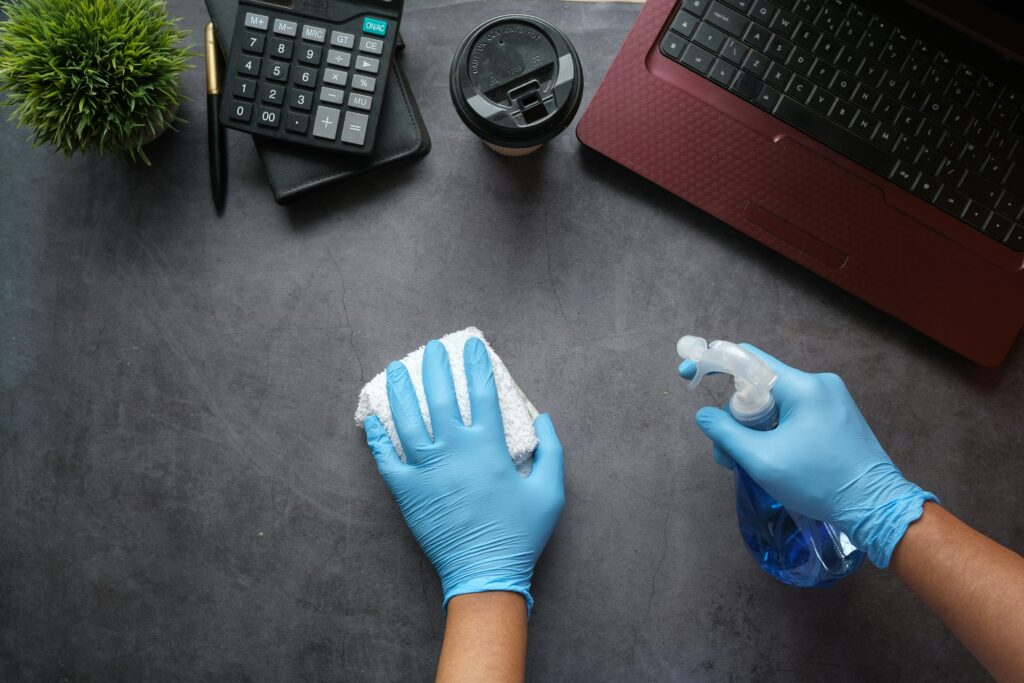
The Professional Standards: Color-Coding and Reducing Cross-Contamination
While a cotton rag simply pushes dirt around, professional split-fiber microfiber acts like a microscopic magnet. This material creates a mechanical charge that lifts and traps up to 99% of bacteria, ensuring contaminants are physically removed from the building rather than just spread to the next surface. Utilizing this advanced equipment is the first step in reducing cross-contamination in shared workspaces, but the tools must be managed correctly to be safe.
To guarantee isolation, top-tier providers of corporate cleaning services strictly follow commercial janitorial service standards for color-coding. This visual system assigns specific towel and mop colors to distinct zones, creating a failsafe that prevents dangerous pathogens from the restroom from migrating to your telephone. A standard industry breakdown includes:
- Red: High-risk restroom areas (toilets and urinals).
- Yellow: Breakroom counters, sinks, and food prep surfaces.
- Blue: General low-risk areas like glass, mirrors, and office dusting.
Observing these colors is an easy addition to your internal workplace sanitation checklist. If you notice a cleaner using a red cloth on a conference table, it signals a critical breakdown in hygiene protocols. Once the physical removal of dirt is secured through proper tools, the focus shifts to the chemical side of the process: understanding how long disinfectants must actually sit on a surface to be effective.
Disinfection vs. Cleaning: Understanding “Dwell Time” and High-Touch Maintenance
Applying a spray and immediately wiping it off is the most common mistake in office hygiene, often rendering the effort useless against invisible threats. While scrubbing removes visible dirt, true disinfection requires patience known as “dwell time”—the specific duration a chemical must remain wet on a surface to effectively eliminate pathogens. Most commercial disinfectants require between two to ten minutes of continuous wet contact to kill bacteria and viruses; wiping them away sooner turns a powerful disinfectant into little more than expensive water. Reputable office cleaning services specify dwell times in their product lists and train staff to verify surfaces stay wet for the required duration.
Identifying exactly where to apply these solutions is just as critical as the timing. Essential high-traffic area maintenance focuses on “hot spots” like printer buttons, elevator controls, and coffee pot handles rather than just wide-open tabletops. To cover these irregular shapes effectively, modern providers often utilize electrostatic spray surface sanitization. This technology electrically charges the liquid mist so it defies gravity, wrapping around curved surfaces like door handles to coat hidden undersides that a manual wipe would miss completely.
Prioritizing health doesn’t require flooding the workplace with harsh toxins. Many modern protocols implement eco-friendly disinfecting methods for businesses that utilize accelerated hydrogen peroxide, which breaks down into harmless water and oxygen after doing the job. Once surfaces are secured against biological threats, the cleaning strategy must look upward to address the airborne particles that settle on those surfaces in the first place.
Improving Office Air Quality: HEPA Vacuums and the Science of Dust Removal
The sound of a vacuum usually implies the floor is getting cleaner, but standard equipment often does more harm than good by blasting fine dust back into the room. True strategies for improving office air quality via HEPA vacuums—commonly used by reliable office cleaning services—rely on filters dense enough to trap 99.97% of contaminants rather than recirculating them. While a basic bag captures visible crumbs, professional office cleaning gear locks away the microscopic allergens and bacteria that trigger seasonal symptoms, preventing your carpet from becoming a pollutant launchpad.
A quick glance at your ceiling vents can reveal the effectiveness of your current regimen; if you see fuzzy, grey “webs” clinging to the slats, it usually indicates that airborne particulate matter is circulating unchecked. Aligning your maintenance plan with general OSHA workplace hygiene guidelines helps mitigate these respiratory irritants, creating a workspace where the team focuses on deadlines rather than reaching for tissues. With the physical environment secured, the next challenge is selecting a schedule that balances thoroughness with your company’s daily workflow.
Logistics and Cost: Choosing Between Day Porters, Evening Crews, and Finding Your Partner
Scheduling creates the rhythm of a well-maintained office. For busy workplaces, the choice between day porter versus evening cleaning crews—or a blended model offered by office cleaning services—often dictates the perception of hygiene for both employees and clients.
- Day Porter: Provides high visibility and immediate response to spills, coffee station messes, or restroom needs during business hours.
- Evening Crew: Focuses on deep sanitization, vacuuming, and chemical dwelling times without disrupting staff workflow.
Financial clarity is just as critical as physical cleanliness. Understanding the average cost of commercial building upkeep requires looking beyond the hourly rate to the scope of work; “all-inclusive” quotes often save money over time compared to itemized billing for standard tasks. If you’re seeking affordable office cleaning, ask providers how they maintain quality standards while controlling consumable costs and labor efficiency. When selecting a reliable facility management partner, ask specifically if consumables like trash liners and soap are included or billed separately, and consider established corporate cleaning services for larger, multi-site portfolios. This level of transparency prevents budget surprises and sets the stage for a straightforward implementation strategy.
Your Transition to a Healthier Office: A 3-Step Action Plan
A clean office is a tool, not just a luxury. Recognizing the difference between visible order and invisible hygiene ensures your workspace actively supports employee wellness. High-quality professional office cleaning protects your assets and keeps your team efficient by reducing sick days and boosting morale.
Take control of your environment immediately with these three steps:
- Audit high-touch points like breakroom handles to ensure they receive proper dwell time.
- Verify your cleaners use HEPA-filtered vacuums to capture allergens.
- Switch to green seal certified cleaning products for powerful, non-toxic disinfection.
By determining how often should an office be deep cleaned based on your actual foot traffic, you create a safer, healthier space for everyone.
Professional Office Cleaning in Sydney
Shineo provides commercial office cleaning services across Greater Sydney — from the CBD and inner suburbs to Parramatta, the North Shore, and Western Sydney. Our service is built around the needs of B2B clients: businesses, professional practices, and corporate tenants who need a clean, well-presented workspace delivered consistently and without disruption to their operations.
We offer flexible scheduling — before-hours (from 5am), after-hours (until 10pm), and daytime cleaning — along with no lock-in contracts, dedicated cleaning staff, and transparent pricing. All cleaners are police-checked and covered under comprehensive public liability insurance.
Get a free quote — we respond within 24 hours.
What's Included
Every office clean covers workstations, floors, kitchens and bathrooms, bins, glass, and high-touch surfaces. Deep cleaning, carpet steam cleaning, and window cleaning are available as add-ons or scheduled services.
After-Hours Service
Most Sydney offices prefer after-hours cleaning — cleaners arrive once the last person leaves and finish before the next morning. No disruption to staff, no interference with operations. We handle all access and key management.
Pricing
Standard cleaning starts from $30–$40/hr daytime. After-hours and before-hours service with access management ranges from $45 to $75/hr. Small offices under 100m² typically pay $150–$250 per clean. Quotes are free and provided in writing within 24 hours.
No Lock-In Contracts
All Shineo cleaning agreements are month-to-month with no minimum term. Adjust your frequency, add services, or cancel with reasonable notice. No penalties and no lock-in periods — we earn retention by delivering consistent results.
Areas We Service
Sydney CBD · North Sydney · Parramatta · Chatswood · Macquarie Park · Surry Hills · Bondi Junction · St Leonards · Mascot & Alexandria · Bankstown · Pyrmont · Burwood & Strathfield · Artarmon · Blacktown · Hurstville · Liverpool · Randwick · Penrith · Ryde · View all 23 locations →
Ready for a cleaner office?
Free quote within 24 hours. No lock-in contracts.